From Pokémon to Riftbound: A Collector's Guide

The short version
- Riftbound is a real, physical trading card game from Riot Games (published in English by UVS Games) — the same game-store-and-online buying pattern Pokémon collectors already know, not a digital-only spinoff.
- The cheapest way in is a ready-to-play preconstructed deck, the same role a Pokémon theme deck plays — not a booster box.
- Riftbound's chase tier — Signature, Showcase and alternate-art prints — plays the same role Illustration Rares and Secret Rares do in Pokémon, and Signature cards are hand-signed by the card's real artist.
- RiftCompare compares live Riftbound prices across AU, US, UK, SG, CA and EU stores plus eBay, the same way a Pokémon collector already checks TCGplayer or eBay before buying.
If you collect or play Pokémon, you already know the rhythm: theme decks to learn on, singles to fill out a build, a chase tier that makes a binder page worth showing off, and a habit of checking prices across a few sites before you actually buy anything. Riftbound: League of Legends TCG — Riot Games' real, physical card game, published in English by UVS Games — runs on the same rhythm. Here's how the two connect, and how to actually find and buy real Riftbound cards without overpaying.
Riftbound is a real card game, not a spinoff
This is the first thing worth being clear on: Riftbound is a genuine, in-print trading card game, sold through game and hobby stores and online singles marketplaces the same way Pokémon is — not a mobile tie-in, not a digital-only collectible, not a fan project. It's set in the League of Legends universe, so the "roster" is champions you may already recognize from the game rather than a new cast to learn from zero. If you want the full picture of what it is and how it plays, the interactive learn page walks through a complete game step by step, free, with no signup.
How the pieces map onto what you already know
Nothing here is a claim that the two games are mechanically identical — they aren't — but the shape will feel familiar:
| Pokémon | Riftbound | The honest difference |
|---|---|---|
| Energy cards power your attacks | Runes tied to your deck's Domains power your plays | Domains (Fury, Calm, Mind, Body, Chaos, Order) are a color-identity-style constraint you commit to before building, closer to a deck archetype than a 1-for-1 Energy swap |
| Your active/bench Pokémon | Your Legend and Champion, plus Units on the board | A Legend anchors your whole deck's identity the way a lead Pokémon doesn't quite |
| Theme decks | Preconstructed decks / Proving Grounds kits | Same job: a complete, playable deck out of the box |
| Illustration Rare / Secret Rare | Showcase, alternate art, Signature prints | Signature cards are hand-signed by the card's real artist — a direct analog to a signed slab a Pokémon collector already knows the appeal of |
| Rotation (Standard) | No announced rotation | Every set released so far stays legal — see does Riftbound rotate? |
For the real rules rather than the shorthand version, Riftbound Rules Explained is the hub, and how a Riftbound deck is actually built covers deck construction card type by card type.
How to actually get Riftbound cards
This is usually the real question once the "is this a real game" part is settled. The buying pattern is close to what you already do for Pokémon:
- Start with a ready-to-play product. A preconstructed deck or Proving Grounds kit is the cheapest, fastest way in — complete and playable, no singles required. Compare current listings on the sealed products page.
- Fill in the gaps with singles, not more booster boxes. Upgrading a starter deck card-by-card is far cheaper than gambling on packs for the one card you actually want — the same logic that makes singles-hunting worthwhile in Pokémon. Search the card database.
- Compare before you buy. Riftbound cards are sold across a real, spread-out market — independent game stores, TCGplayer-style listings, and eBay — in six currency markets (Australia, the US, the UK, Singapore, Canada and the EU). RiftCompare tracks all of it live, the same job a Pokémon collector already asks TCGplayer or eBay comps to do. See every store we track.
Where to Buy Riftbound Cards covers all six markets and 100+ stores in one place if you want the full breakdown before you commit to a first purchase.
What things cost, and how to keep track
Prices move daily, the same way a hot Pokémon set's prices do in its first weeks — which is exactly why a live comparison tool is more useful than a number frozen at publish time. A few honest guideposts instead of a stale price list:
- Ready-to-play products are the predictable, budget-friendly entry point — a fixed cost, no pack-opening variance.
- Booster boxes are the highest-variance route, the same trade-off as a Pokémon booster box: you might pull the chase card, you might not.
- Chase prints (Signature, Showcase, alt-art) carry a real premium, the same way an Illustration Rare does over its base print — understanding Riftbound card rarity explains exactly what separates each tier.
- Watch price movement, don't just check once. The weekly movers page shows what moved up or down over the last week, the same instinct that keeps a Pokémon collector refreshing a marketplace watchlist.
Where to start
Riftbound for Beginners is the fastest path from "curious" to "playing" — what to buy first and how much to spend. The Cheapest Way to Start Riftbound compares every realistic entry point on cost. And when you're ready to actually shop, browse the full card database or compare sealed products — every price is live, and every store is one you can actually buy from.
Coming from a different game? See Magic to Riftbound or One Piece to Riftbound, or start from zero with Riftbound for beginners.
Cards worth knowing, whichever game you're coming from
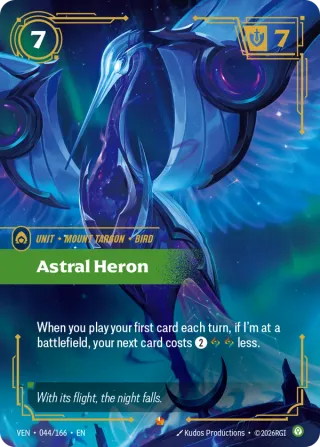
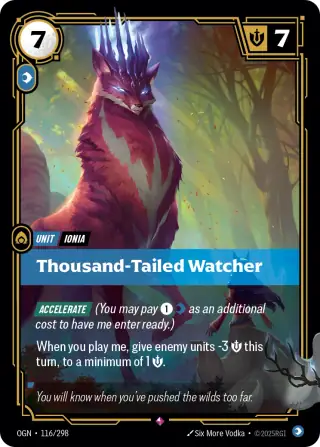
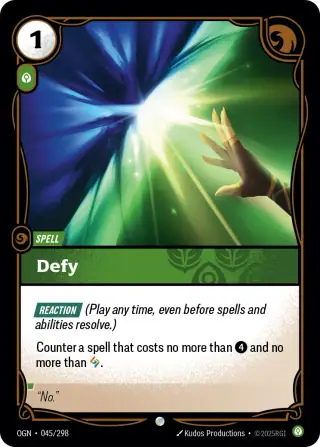
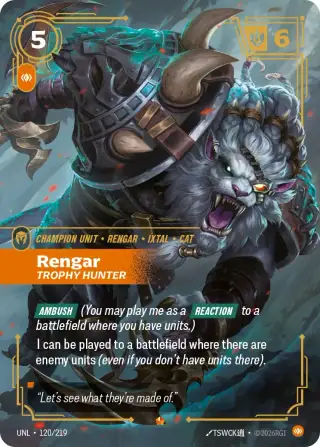
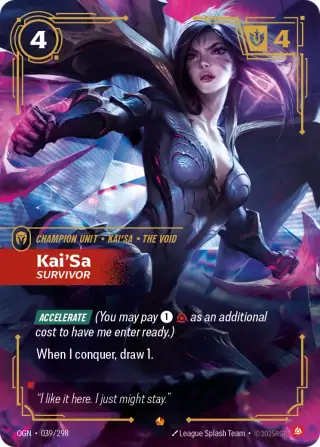
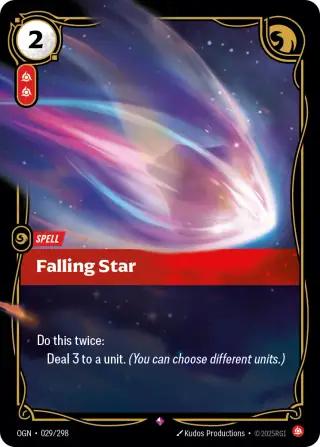
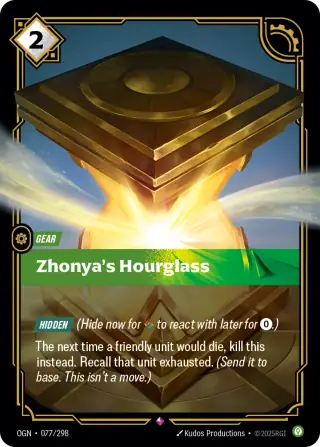
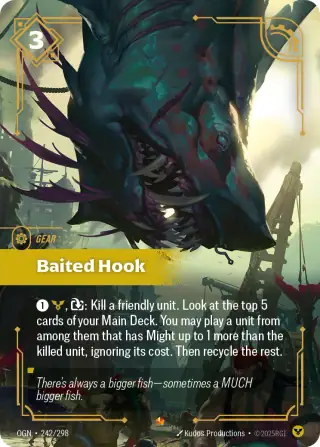
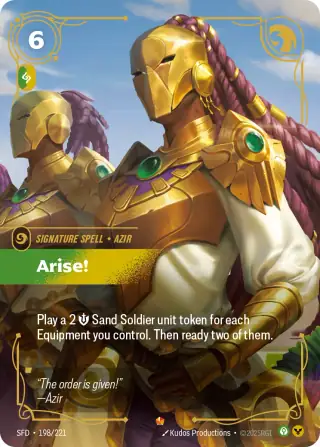
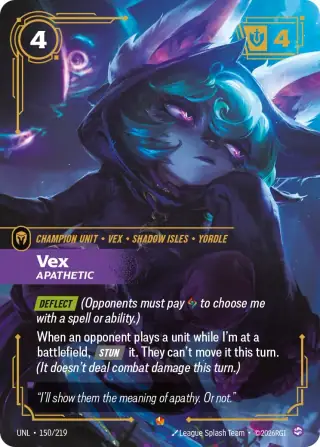
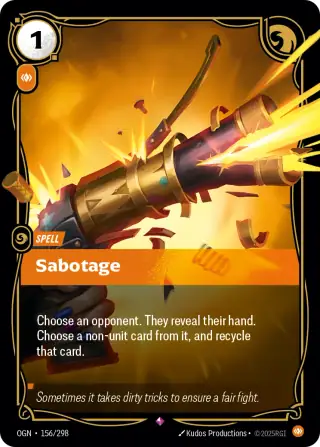
The cards Riftbound players are searching for most right now, pulled live from our database and ordered by real demand. Tap any card for its full text, every printing, and the cheapest store today.

Shop this guide
eBayAffiliate link: as an eBay Partner Network affiliate, RiftCompare earns from qualifying purchases — at no extra cost to you.
Live listings on your local eBay. Always check seller ratings before buying.
Frequently asked questions
Is Riftbound a real physical card game, or is it digital/app-based?
It's a real, printed trading card game from Riot Games, published in English by UVS Games and sold through game stores and online singles marketplaces — the same channels Pokémon cards move through, not an app or a digital collectible.
How does Riftbound's resource system compare to Pokémon Energy?
Pokémon attacks are powered by Energy cards attached to your Pokémon; Riftbound's plays are powered by Runes tied to your deck's Domains (Fury, Calm, Mind, Body, Chaos and Order). The shape is similar — a resource type you commit to before the game starts — but the mechanics aren't identical, so treat it as a starting intuition, not a direct swap. The full rules are in Riftbound Rules Explained or the interactive learn page.
What's the Riftbound equivalent of a Pokémon Illustration Rare or Secret Rare?
Riftbound's own chase tier: Showcase prints, alternate art, and Signature cards — hand-signed by the card's original artist. Understanding Riftbound Card Rarity covers exactly where each tier sits and what drives its premium.
What should a Pokémon collector buy first to try Riftbound?
A single preconstructed deck or Proving Grounds kit — complete and playable out of the box, the same role a Pokémon theme deck plays. Riftbound for Beginners and The Cheapest Way to Start Riftbound both cover what to buy first without overspending.
Are there any official Pokémon x Riftbound crossover cards?
No — Riftbound is a Riot Games property set in the League of Legends universe, unrelated to Pokémon or The Pokémon Company. Nothing here claims or implies an official crossover; the comparison is about how the two hobbies work, not a shared product.
Ready to buy?
Every card, every printing, with live prices compared across every store and market we track.
Recommended reads
Collect Pokémon too?
DexCompare is our sister site: the same store-by-store price comparison, for Pokémon.
- DexCompare
Pokémon booster box, Elite Trainer Box and bundle prices across independent stores in seven markets.