From Magic: The Gathering to Riftbound

The short version
- Riftbound is a real, physical trading card game from Riot Games (published in English by UVS Games) — sold through the same LGS-and-online singles market Magic players already live in.
- Domains work a little like Magic's colors: a deck commits to one or two of Fury, Calm, Mind, Body, Chaos or Order, and your 12 Runes have to match, the same way a manabase has to match your colors.
- No rotation has been announced — every set released so far (Origins, Origins: Proving Grounds, Spirit Forged, Unleashed, Vendetta) stays legal, closer to how Magic's Eternal formats behave than Standard.
- RiftCompare's whole job is what a Magic player already does on TCGplayer — comparing real listings across independent stores (plus eBay), cheapest first by item price, with the delivered total shown where the store publishes its postage, across six currency markets.
Magic players already have the instincts a new TCG rewards: read the whole card before you judge it, check a real market price before you buy, and don't assume a mechanic works the way you'd guess until you've read the actual rules text. Riftbound: League of Legends TCG — Riot Games' real, physical card game, published in English by UVS Games — is worth that same treatment. Here's the honest comparison, and how to actually find and buy real Riftbound cards without overpaying.
Riftbound is a real card game, not a spinoff
Riftbound is a genuine, in-print trading card game, sold through game stores and online singles marketplaces the same way Magic is — not a mobile app, not a digital-only collectible. It's set in the League of Legends universe rather than Magic's multiverse, built around champions instead of planeswalkers. If you'd rather read the real rules than a comparison table, the interactive learn page walks through a complete game step by step, free, no signup, and Riftbound Rules Explained is the full hub.
How the pieces map onto what you already know
Structural similarity, not a rules match — the analogy is meant to build intuition fast, not to substitute for the real text:
| Magic: The Gathering | Riftbound | The honest difference |
|---|---|---|
| Lands produce mana in 5 colors | Runes tied to Domains power your plays | 7 Domains (Fury, Calm, Mind, Body, Chaos, Order, plus Colorless) rather than 5 colors; a deck commits to one or two, same discipline as a manabase |
| A 60-card deck (100 for Commander) | A ~40-card main deck + 12 Runes + 3 Battlefields + up to 10 side deck | Different totals, same idea of a fixed, legal deck shape — the full anatomy |
| Standard rotates; Eternal formats don't | No announced rotation | Every set so far stays legal — closer to how Magic's Eternal formats behave |
| A banned/restricted list | A real banlist | The banlist explained and the July 2026 update |
| Foils, alternate arts, Secret Lairs | Showcase, alternate art, Signature prints | Signature cards are hand-signed by the card's real artist |
| TCGplayer market price | RiftCompare's live comparison | The exact habit you already have, applied to a different game |
How to actually get Riftbound cards
The buying pattern will feel immediately familiar:
- Start with a ready-to-play product if you want to learn the game cheaply — a preconstructed deck or Proving Grounds kit, no singles required. Compare current listings on the sealed products page.
- Buy singles for a real deck, the way you'd build a Magic deck around a specific list rather than crack packs hoping to hit it. Search the card database, or price a whole decklist at once with the deck pricer.
- Compare across the real market, exactly like checking TCGplayer before a Magic purchase. Riftbound sells through independent game stores, marketplace listings and eBay, across six currency markets (Australia, the US, the UK, Singapore, Canada and the EU). RiftCompare lists them cheapest first by item price, with the delivered total shown where the store publishes its postage. See every store we track.
Where to Buy Riftbound Cards covers all six markets and 100+ stores in one place, and Best Basket splits a full decklist across stores to find the cheapest combined order once shipping is counted — the same problem a multi-store Magic order has.
What things cost, and how to keep track
No fabricated numbers here — prices move daily and any figure printed today would be stale by the time you read it, which is exactly why a live tool beats a listicle. What's stable instead:
- Ready-to-play products are the fixed-cost entry point — no pack-opening variance.
- Chase prints carry a real premium. Understanding Riftbound card rarity covers exactly what separates a base print from Showcase, alternate art and Signature — the closest Riftbound equivalent to a Magic foil-vs-nonfoil or Secret Lair premium.
- Watch price movement, not just a single snapshot — the weekly movers page shows what moved up or down over the last week, the same signal a Magic player reads off a price-tracking tool.
- A deck's real cost is total delivered cost, not the sum of sticker prices — the same lesson every Magic player learns the first time postage eats a "cheap" multi-store order.
Where to start
Riftbound for Beginners is the fastest path from curious to playing. The Cheapest Way to Start Riftbound compares every realistic entry point on cost, and Riftbound deck archetypes is the deckbuilding-strategy version of this guide once you're past the basics. When you're ready to shop, browse the full card database or compare sealed products — every price is live.
Not coming from Magic? The same guide exists for Pokémon collectors and One Piece players, and Riftbound for beginners is the from-scratch version.
Cards worth knowing, whichever game you're coming from
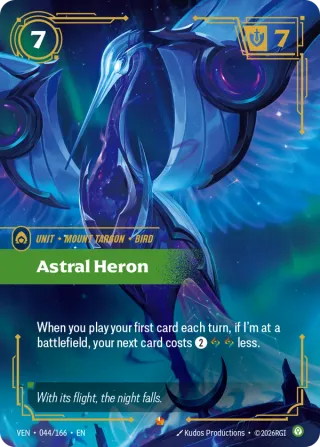
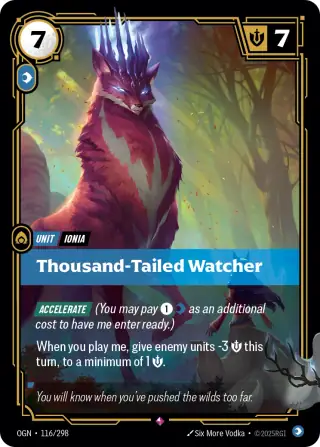
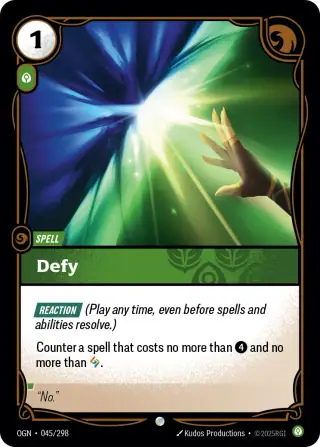
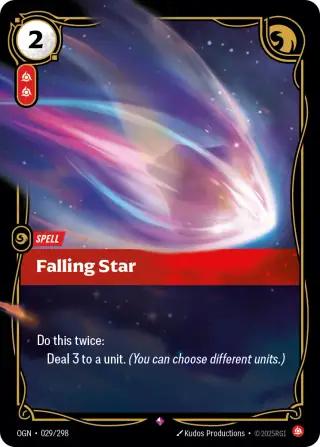
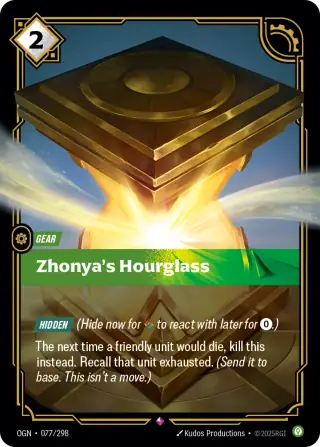
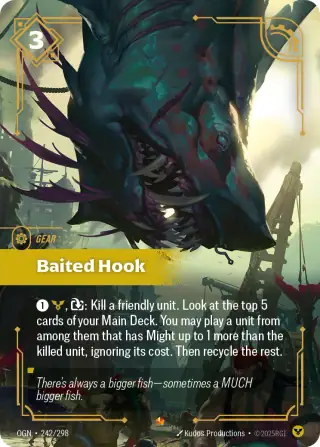
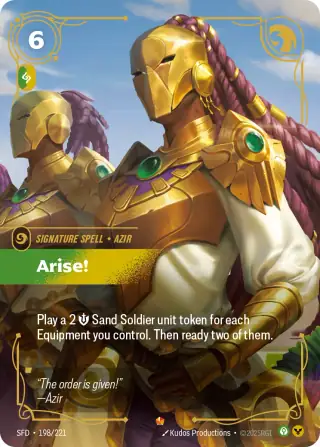
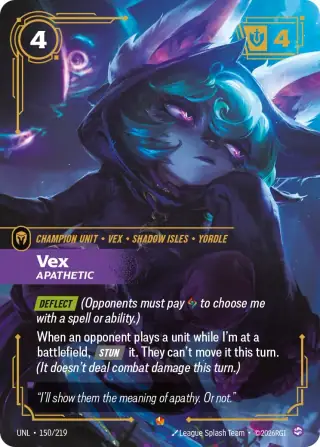
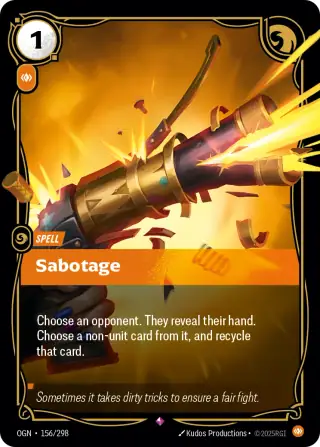
The cards Riftbound players are searching for most right now, pulled live from our database and ordered by real demand. Tap any card for its full text, every printing, and the cheapest store today.



Shop this guide
eBayAffiliate link: as an eBay Partner Network affiliate, RiftCompare earns from qualifying purchases — at no extra cost to you.
Live listings on your local eBay. Always check seller ratings before buying.
Frequently asked questions
Do Riftbound Domains work like Magic's five colors?
Structurally, yes — a deck commits to one or two of Riftbound's Domains (Fury, Calm, Mind, Body, Chaos, Order, plus Colorless), and your 12 Runes have to match, the same discipline a Magic manabase enforces around its colors. The mechanics aren't identical, so treat it as a starting intuition — Riftbound Rules Explained and the interactive learn page have the real rules.
Does Riftbound have a rotating Standard-style format?
No rotation has been announced. Every set released so far — Origins, Origins: Proving Grounds, Spirit Forged, Unleashed and Vendetta — is currently legal everywhere, closer to how a Magic Eternal format behaves than Standard. Does Riftbound rotate? covers the full picture, including the banlist, which does exist.
How big is a Riftbound deck compared to a Magic deck?
A Riftbound deck runs a Legend, a Champion, a roughly 40-card main deck of Units/Gear/Spells, 12 Runes, 3 Battlefields and a side deck of up to 10 — different totals from Magic's 60-card (or 100-card Commander) format, but the same idea of a defined, legal deck shape. How a Riftbound deck is actually built breaks down every part.
Where do Riftbound prices actually come from?
The same kind of real, independent secondary market Magic singles trade on — game stores and online marketplaces (plus eBay), across six currency markets: Australia, the US, the UK, Singapore, Canada and the EU. RiftCompare tracks live listings across all of them and lists them cheapest first by item price, with the delivered total shown where the store publishes its postage.
Are there any official Magic x Riftbound crossover cards?
No — Riftbound is a Riot Games property and Magic: The Gathering is published by Wizards of the Coast; the two are unrelated products. This guide compares how the two hobbies work, not a claimed partnership.
Ready to buy?
Every card, every printing, with live prices compared across every store and market we track.
Recommended reads
Collect Magic too?
MTG Compare is our sister site: the same store-by-store price comparison, for Magic.
- MTG Compare
Magic: The Gathering singles and sealed prices across stores, with a deck pricer.