Riftbound Booster Box EV Calculator
Is a Riftbound booster box worth opening? Every card is valued at its TCGplayer market price, and the chase prints most EV maths quietly ignores — signatures, over-numbers and alt arts — are counted here. Tune the pack structure to the box you're actually buying and the maths does the rest.
Where the value sits
chase prints are 38.2% of EVA pool's average divides by every card in it, so cards with no market price count as zero — which is honest for genuine bulk, but means a pool showing low coverage is understating its true contribution, never overstating it. Implied pack size: 12.35 cards.
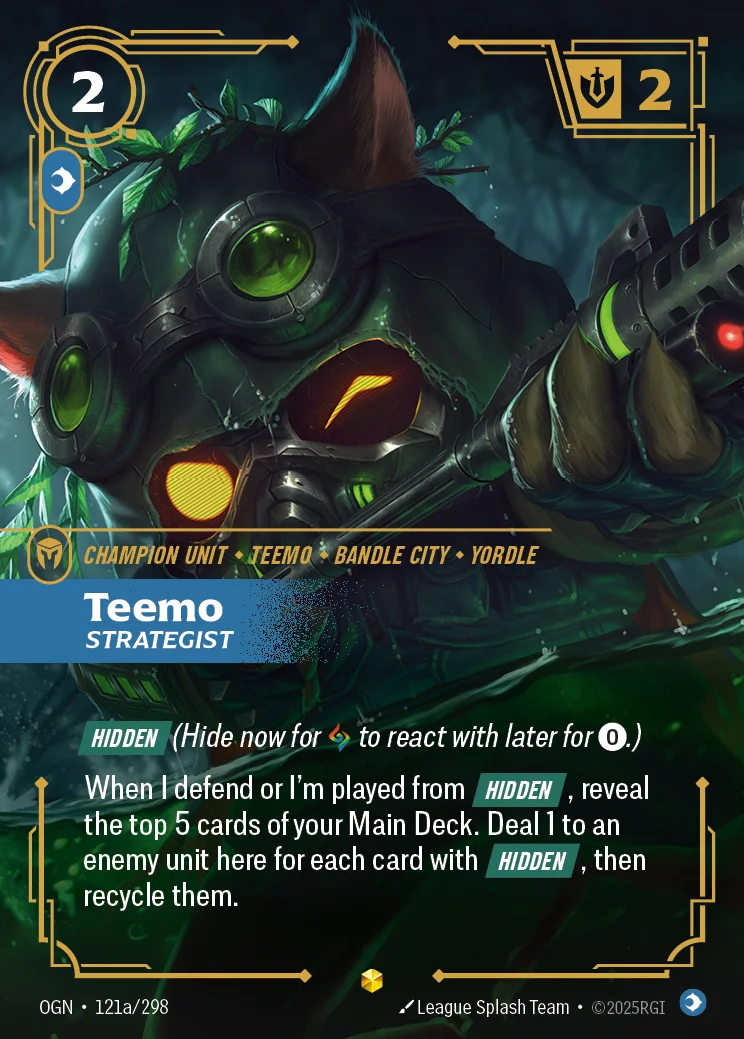
Alt art · 30 in OGN
≈ 1 in 12 packs
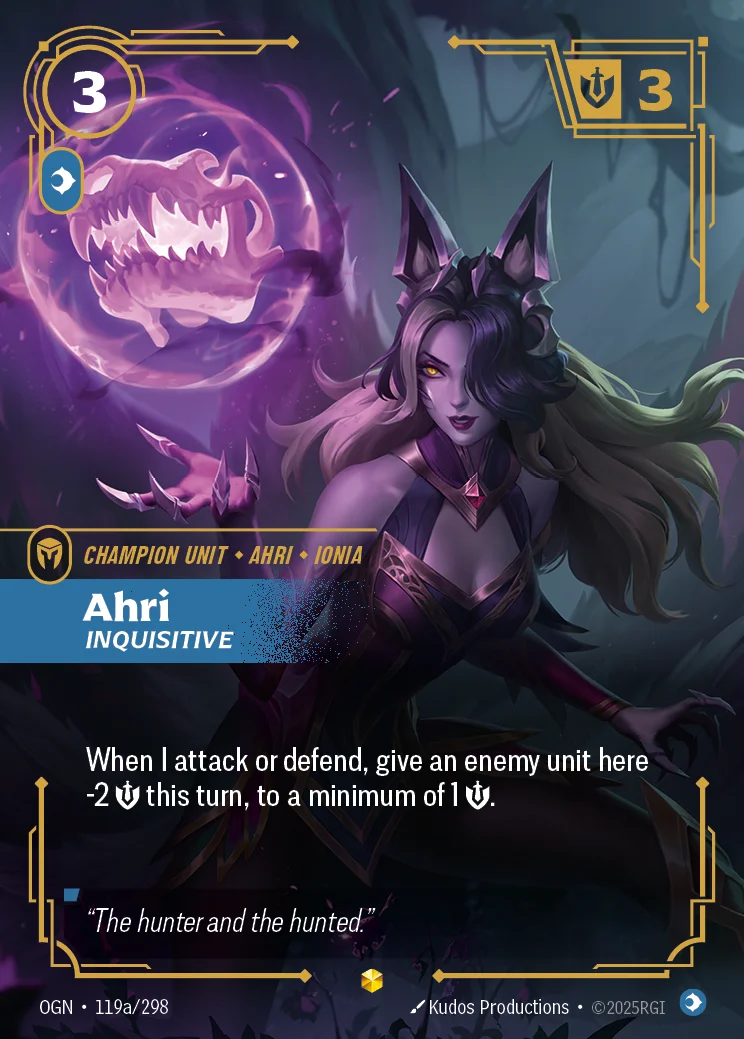
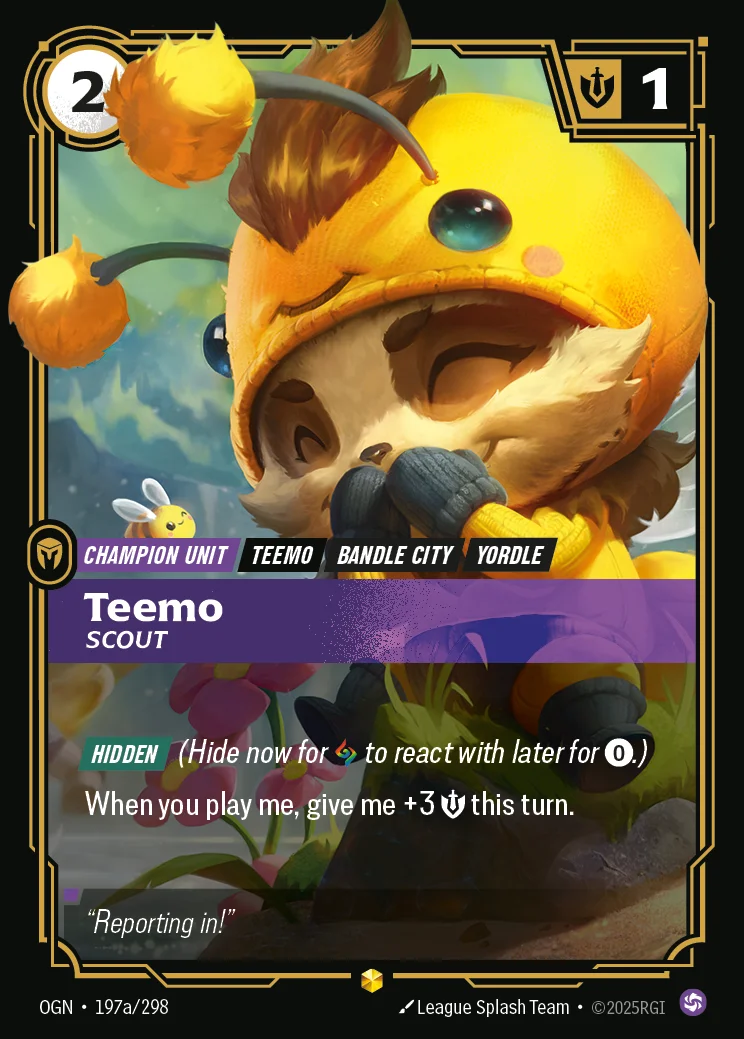
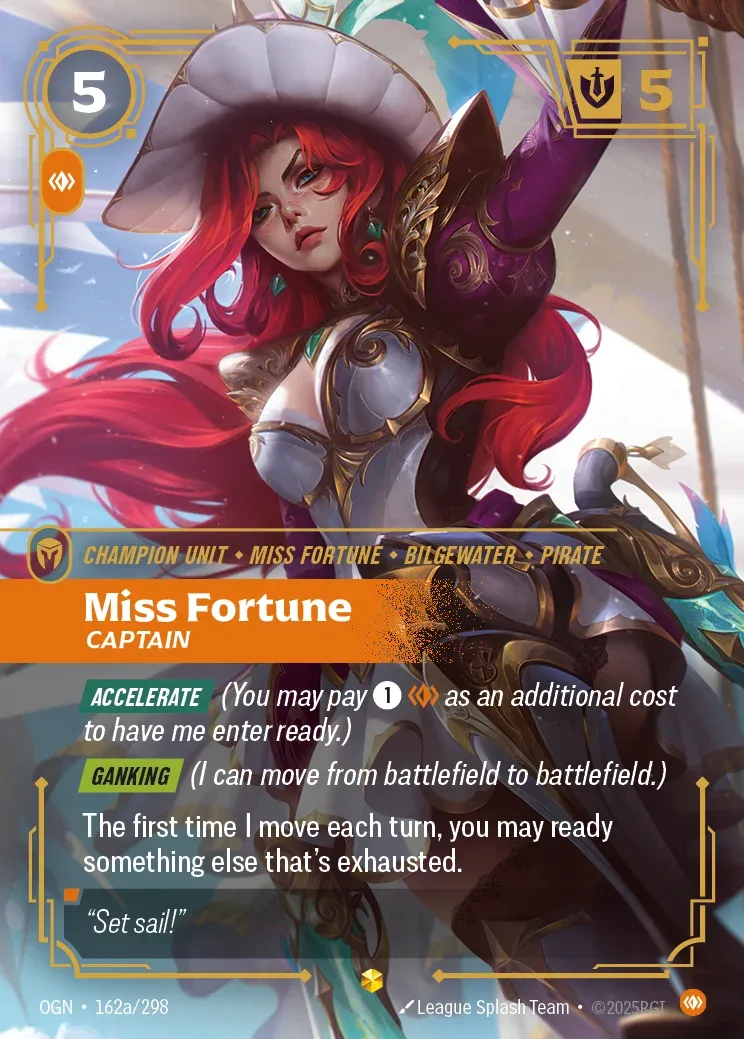
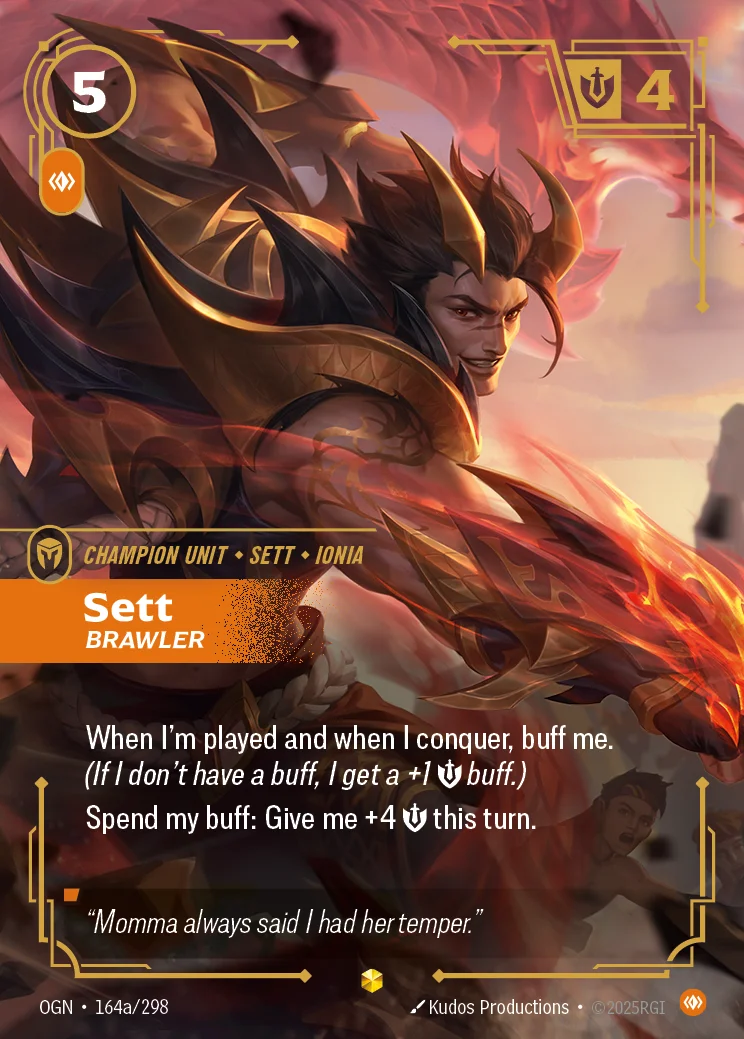
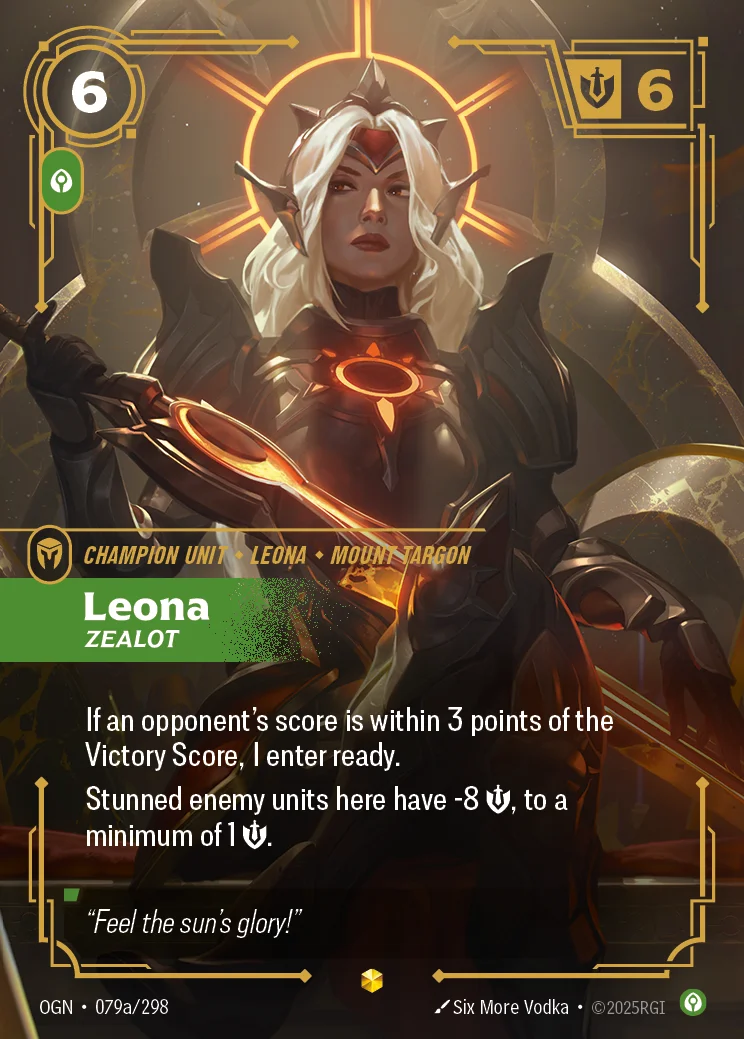
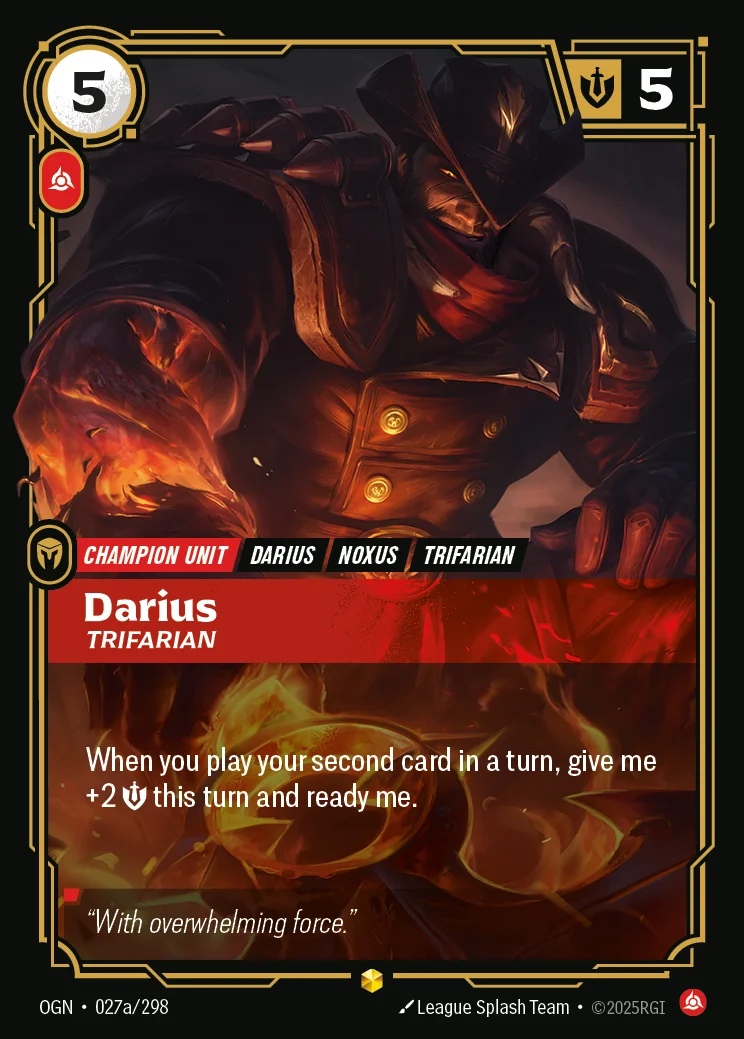
Over-numbered · 12 in OGN
≈ 1 in 72 packs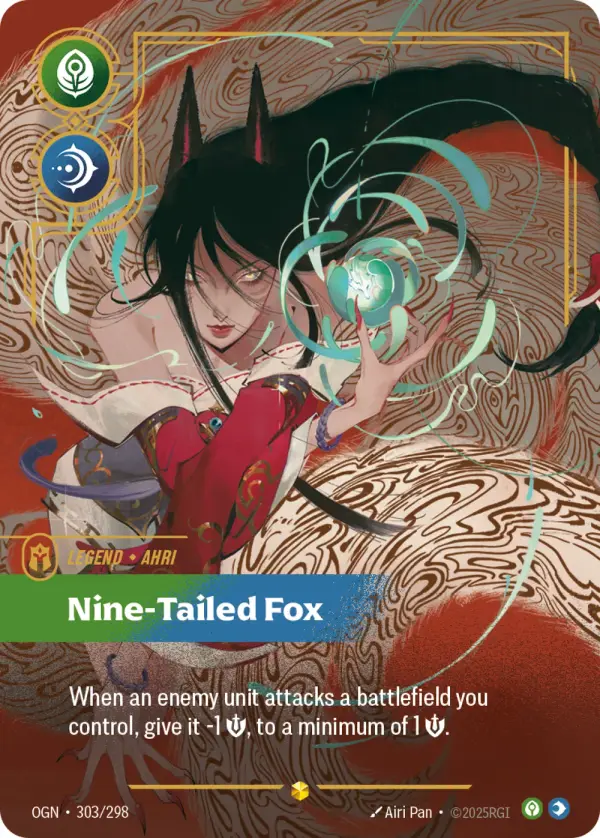
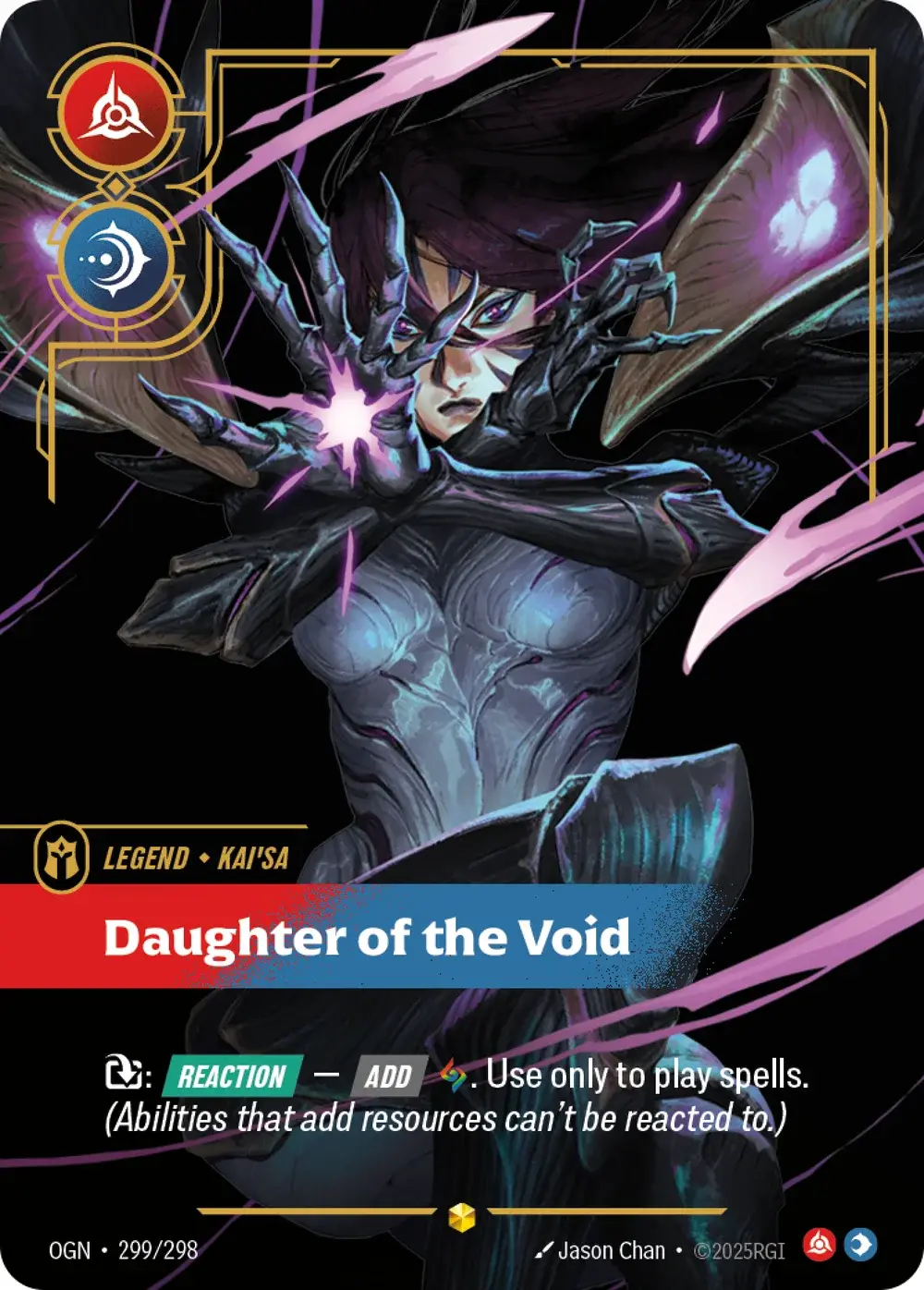


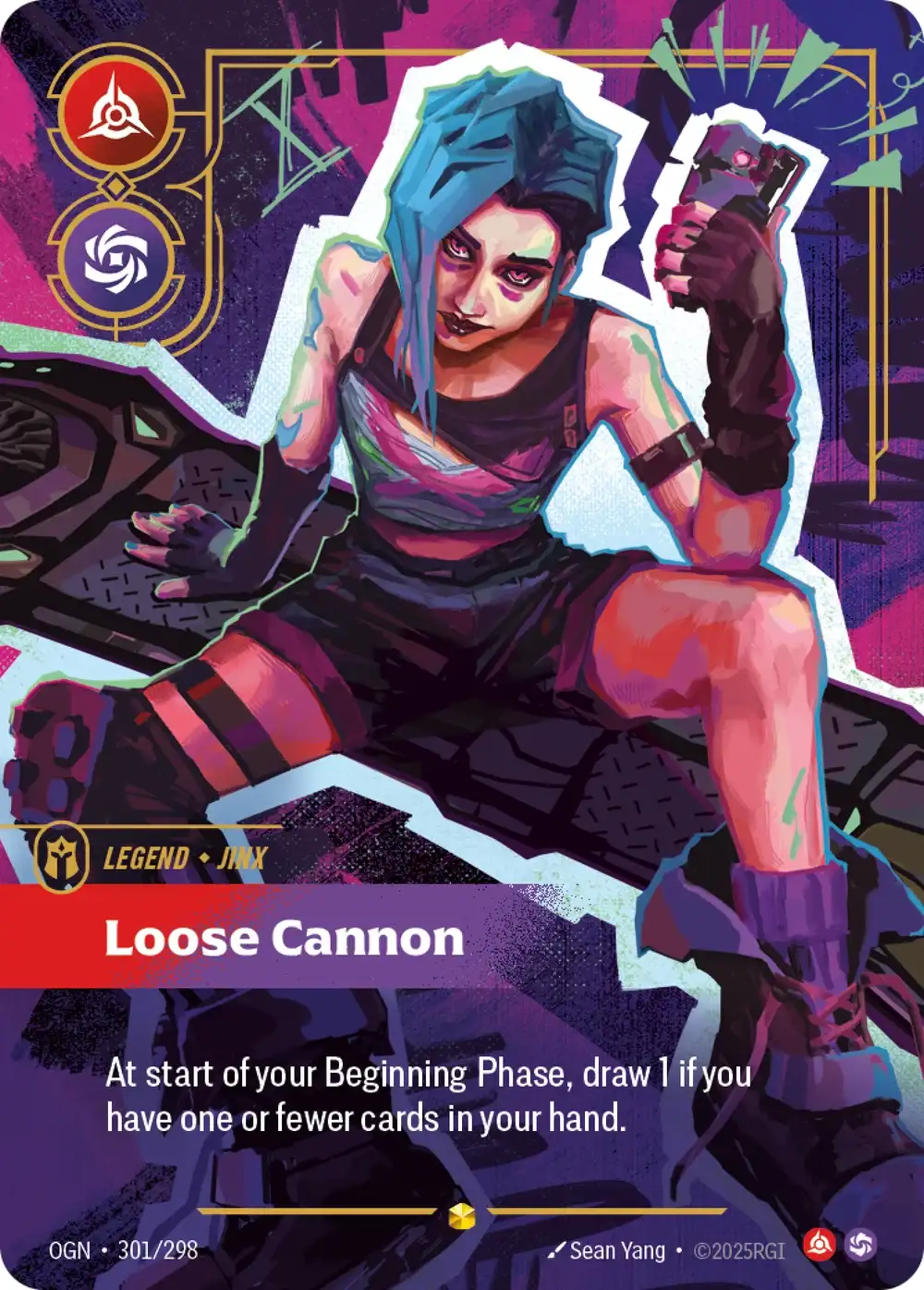

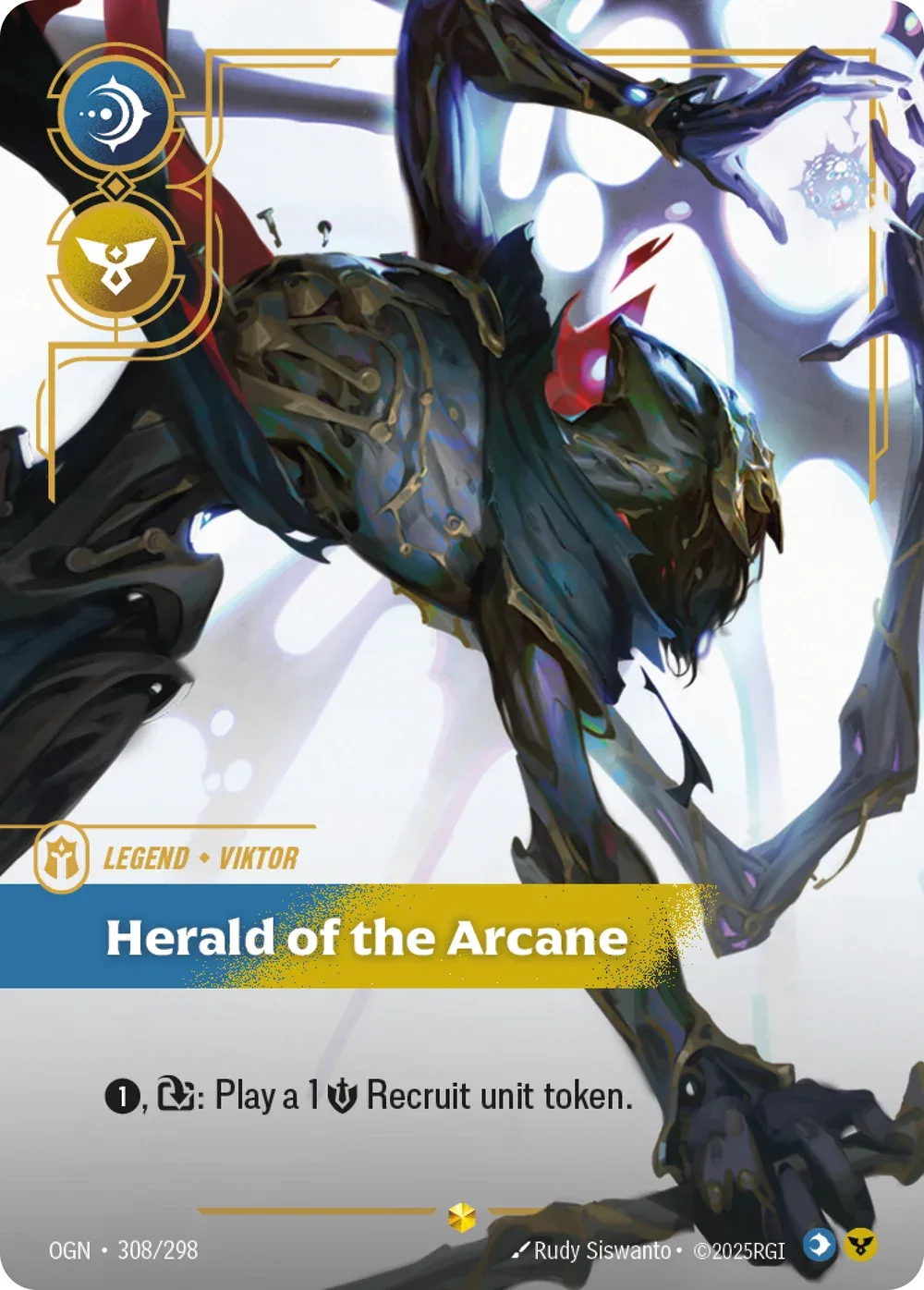
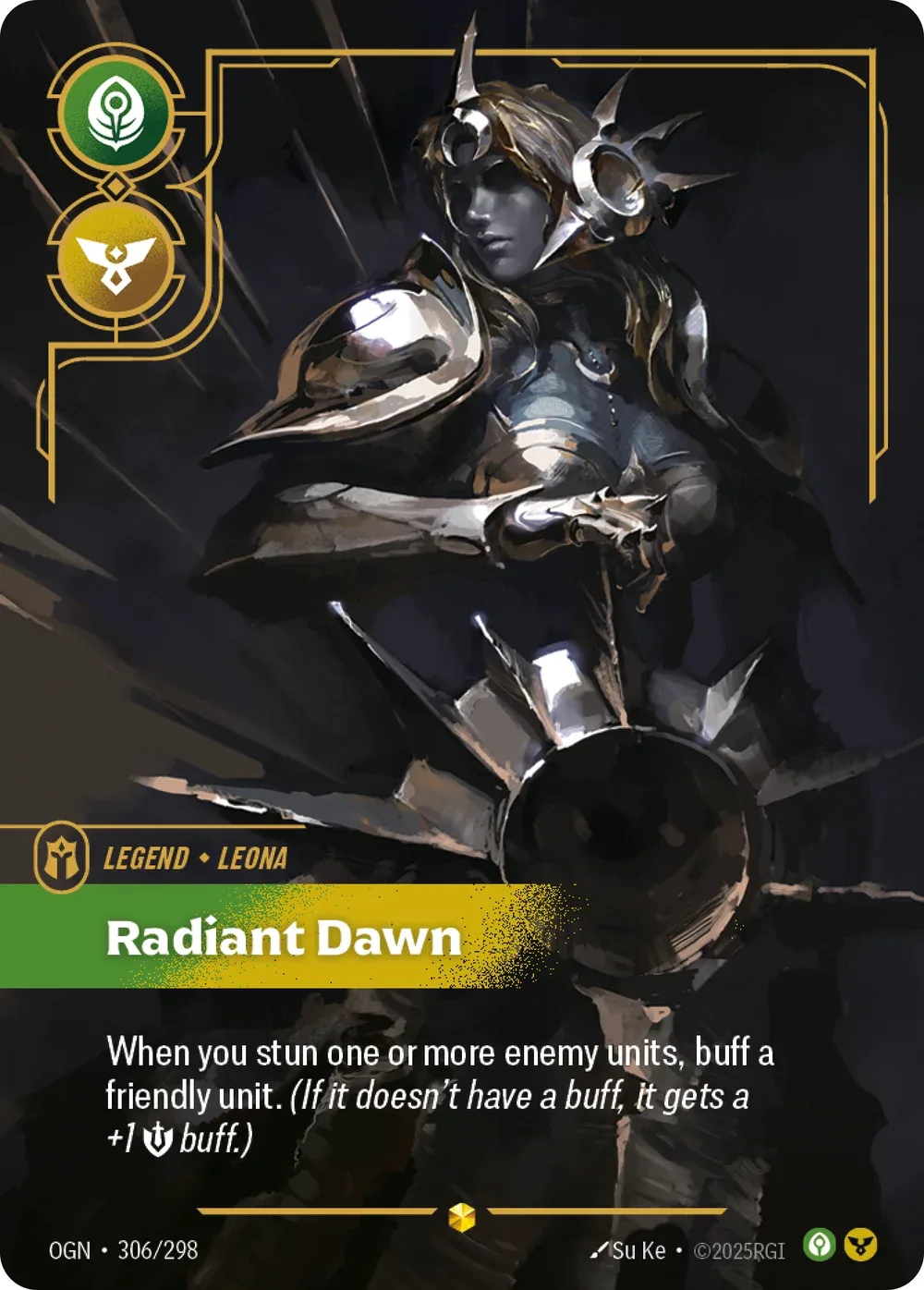
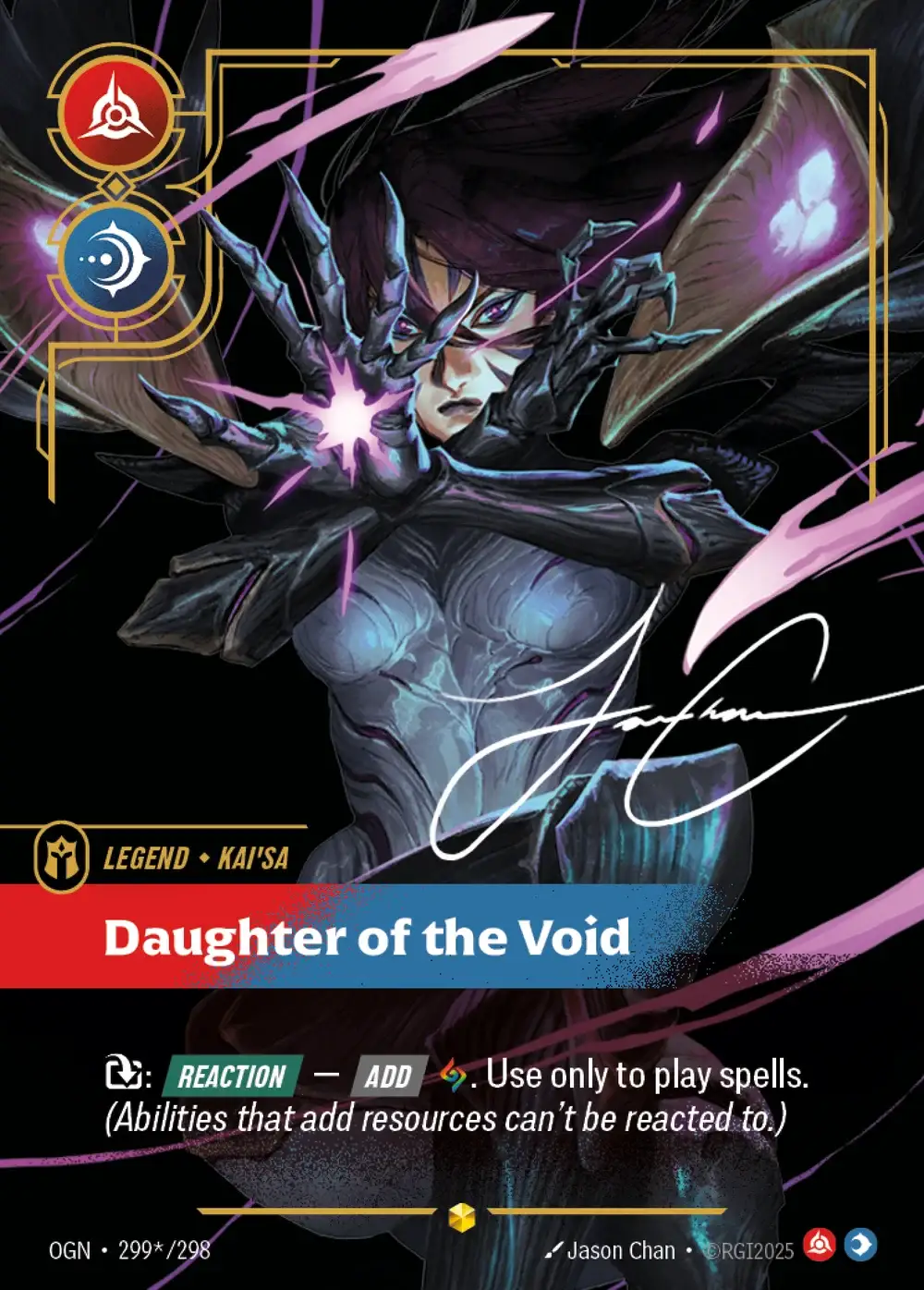
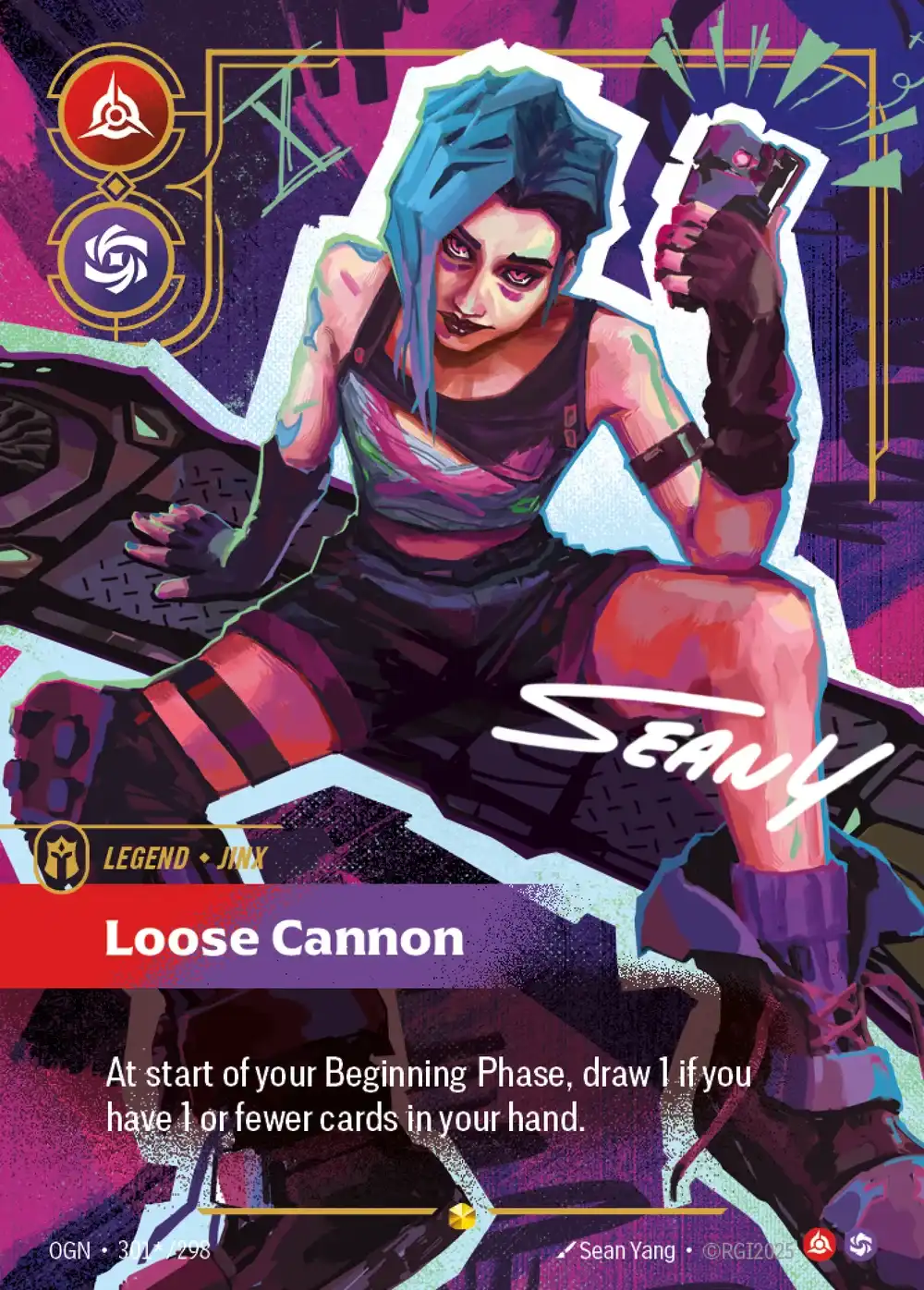
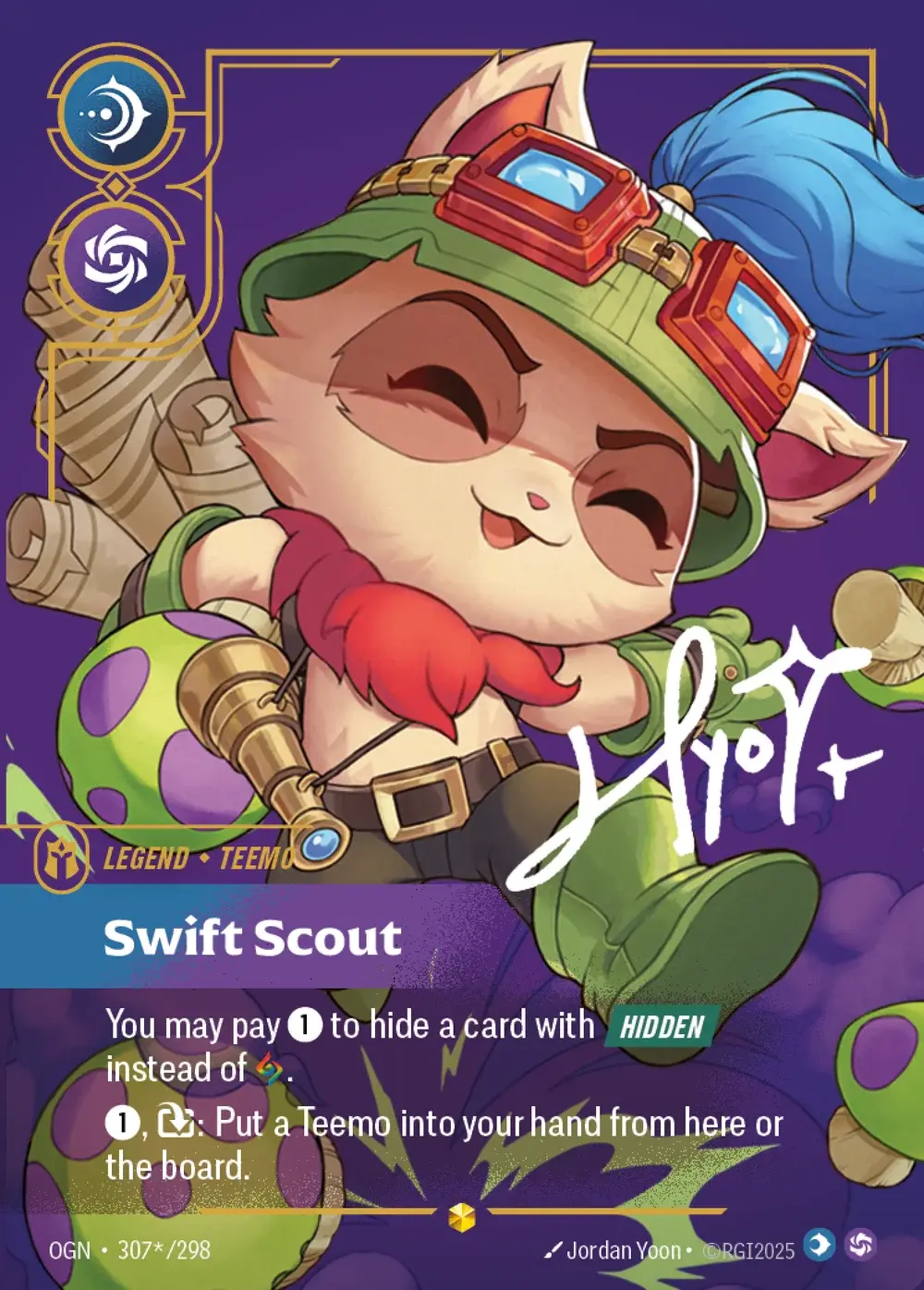
Signature · 12 in OGN
≈ 1 in 720 packs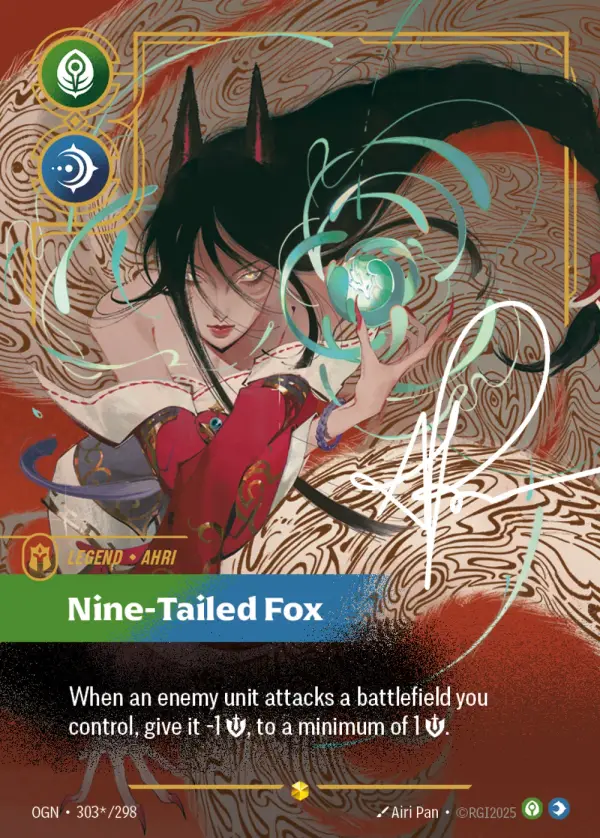


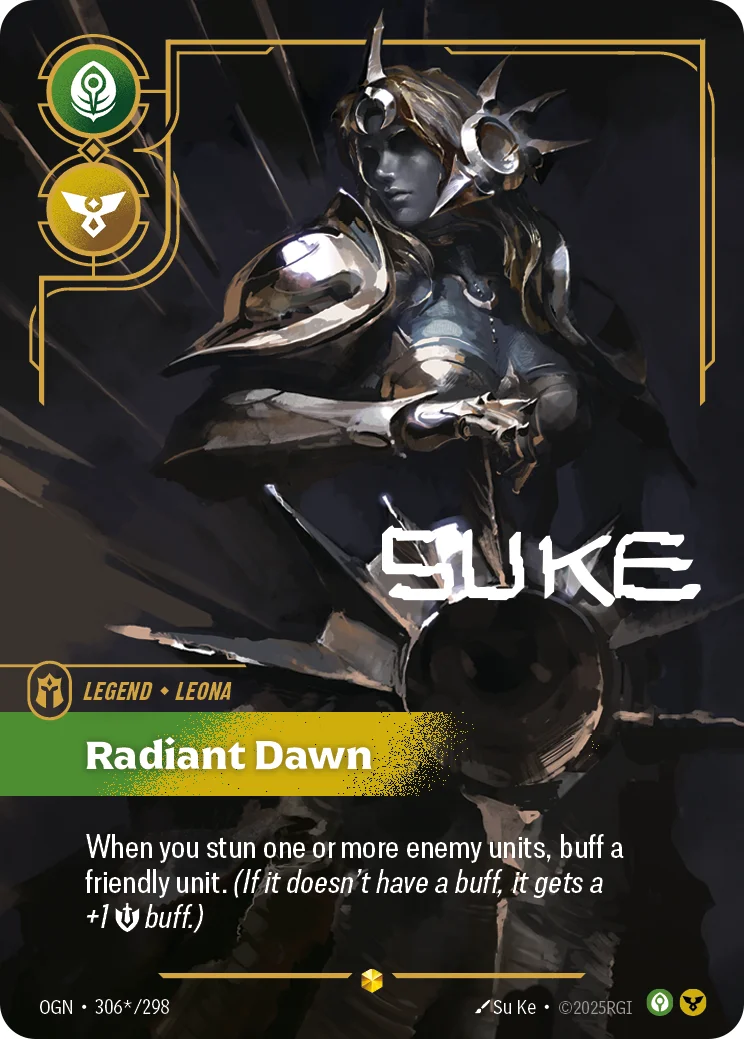
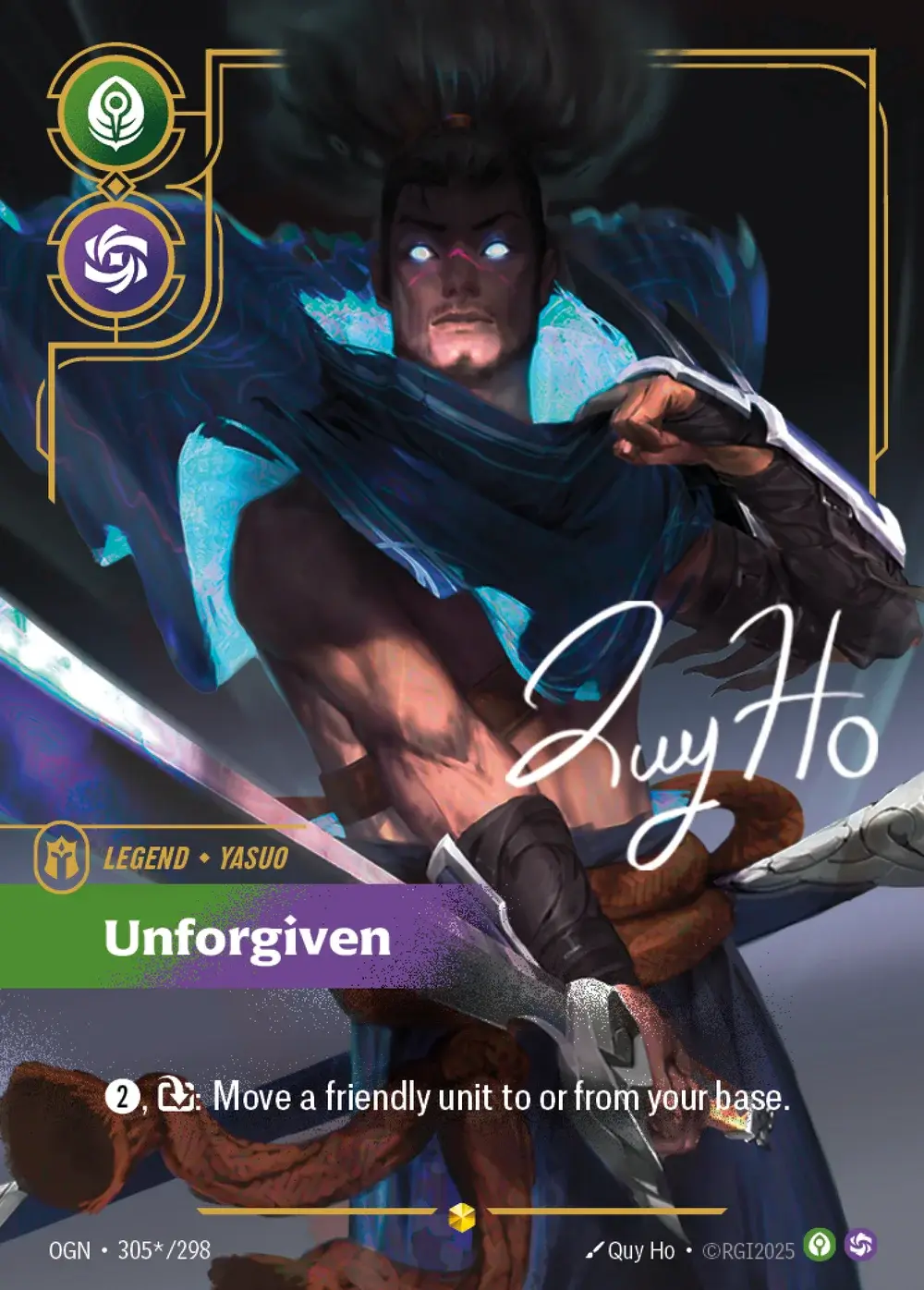
Every card is valued at its TCGplayer market price — the English Near-Mint fair-market figure TCGplayer publishes, not the cheapest listing (which is often a foreign-language copy). A ✦ marks a card priced from a foil-only listing — a different physical product from a base pull.
Base rarity and Showcase rates are estimates you control; Alt Art, Over-numbered and Signature use Riot's own published odds. Every rate stays editable either way. EV is an average across many boxes: the distribution is heavily skewed by the chase tiers, so most boxes come in under it. It also assumes every card could be sold at market price, and bulk commons effectively cannot be. Want a specific card? Buying the single is the surer play, and you can compare live box prices before you commit.
How this works (and what EV can't tell you)
Expected value multiplies each pool's average card price by how many of that pool a pack yields, then sums across the box. Two things make this number different from the usual back-of-envelope version. First, chase prints are included: a signature or over-numbered card is rare enough that it barely moves a per-pack average, but across 24 packs it is a real share of what you paid for — leaving it out understates every box. Second, every card is valued at the TCGplayer market price rather than the cheapest listing we can find, because the cheapest listing is often a foreign-language copy or carries a shipping floor that has nothing to do with the card.
What it can't tell you: whether your box is worth opening. EV is an average across many boxes, and the distribution is brutally skewed — most boxes land under the average and a few land far over it, because that is exactly what a 1-in-several-hundred chase card does to a mean. It also assumes you could sell everything at market price, and bulk commons are close to unsellable in practice. Treat a box as entertainment with a partial refund, not an investment. If you want specific cards for a deck, buying the singles is almost always cheaper and always certain — and either way, compare box prices before you buy.
If you would rather feel that distribution than read about it, open some virtual packs — same card pool, same pack structure, live prices on every pull, and no money. A dozen packs of mostly bulk makes the argument above far better than a paragraph does.