Riftbound Combat Keywords Explained
Six of Riftbound's keywords exist purely to change what happens during combat — who has to be hit, how much Might a unit is really swinging with, and where a unit is even allowed to move. None of the six are new to a single set the way Empower, Flow and Burn are; they're part of the core combat rules, and each has its own quick-reference page with a live "every card" list — this guide is the plain-English walkthrough of how they interact.
Tank: forces damage toward itself
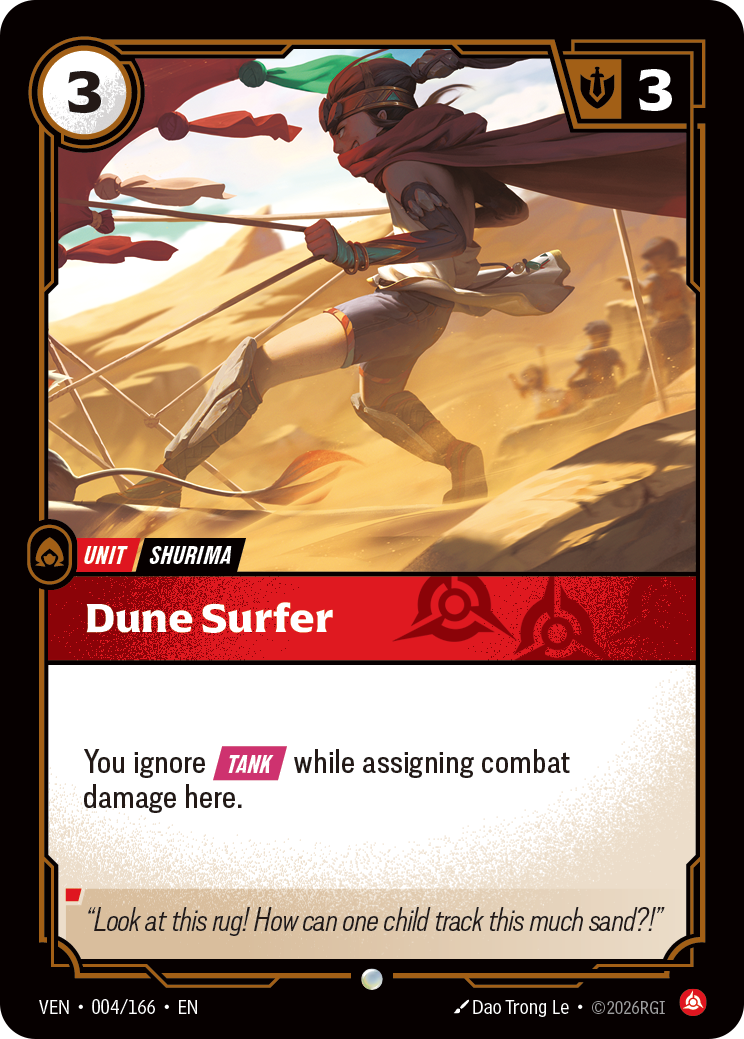
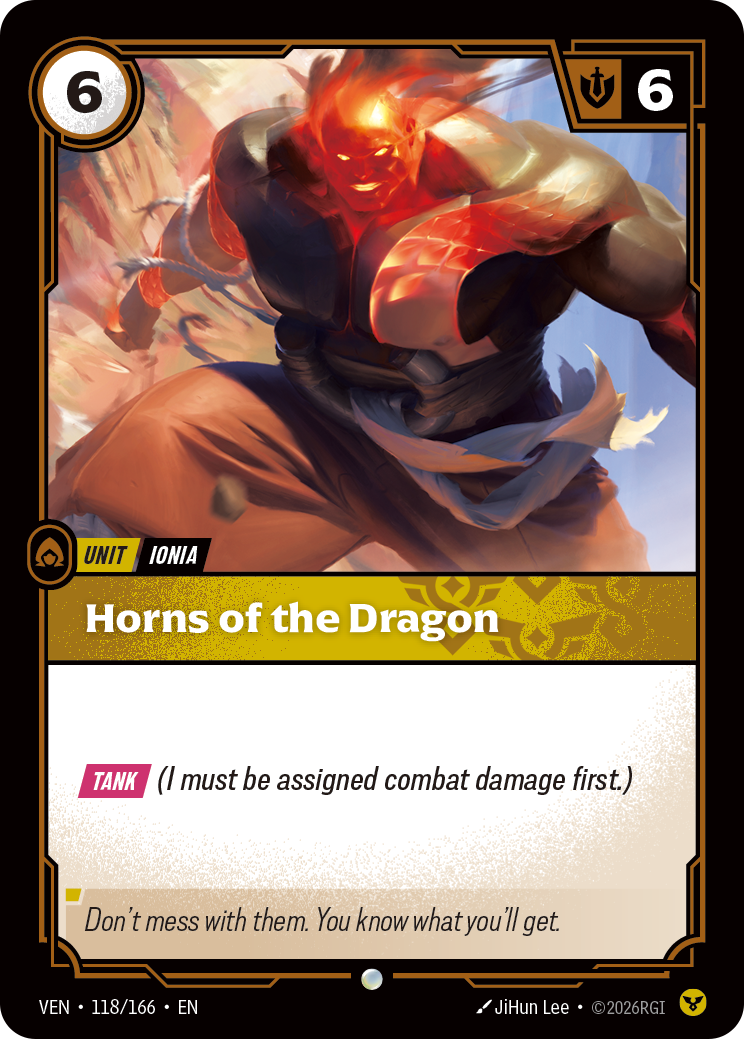
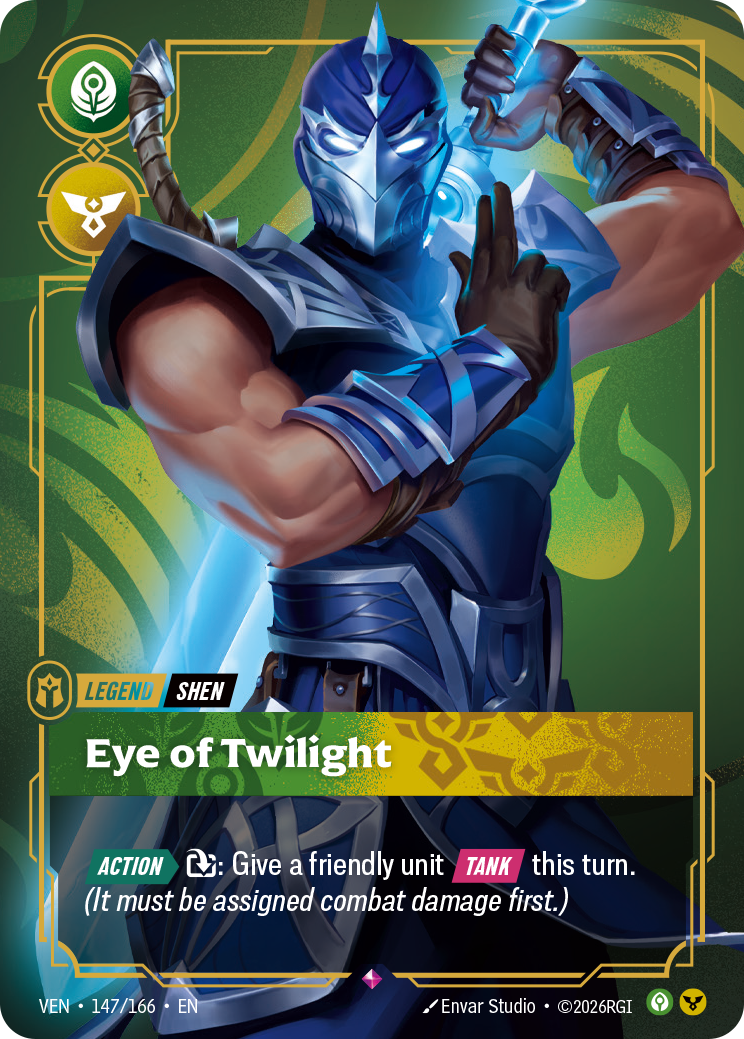
A unit with Tank must be assigned lethal combat damage before any of your other units that don't have Tank. It's the classic "hit me first" ability — an attacker literally isn't allowed to assign damage anywhere else on your board until every Tank unit you control has already taken lethal. If you have more than one Tank unit, the attacker chooses which takes it. Full reference: Tank keyword page.
Cards printed with Tank
Real, officially catalogued cards whose rules text carries the Tank keyword.

Shield: tougher on defense only
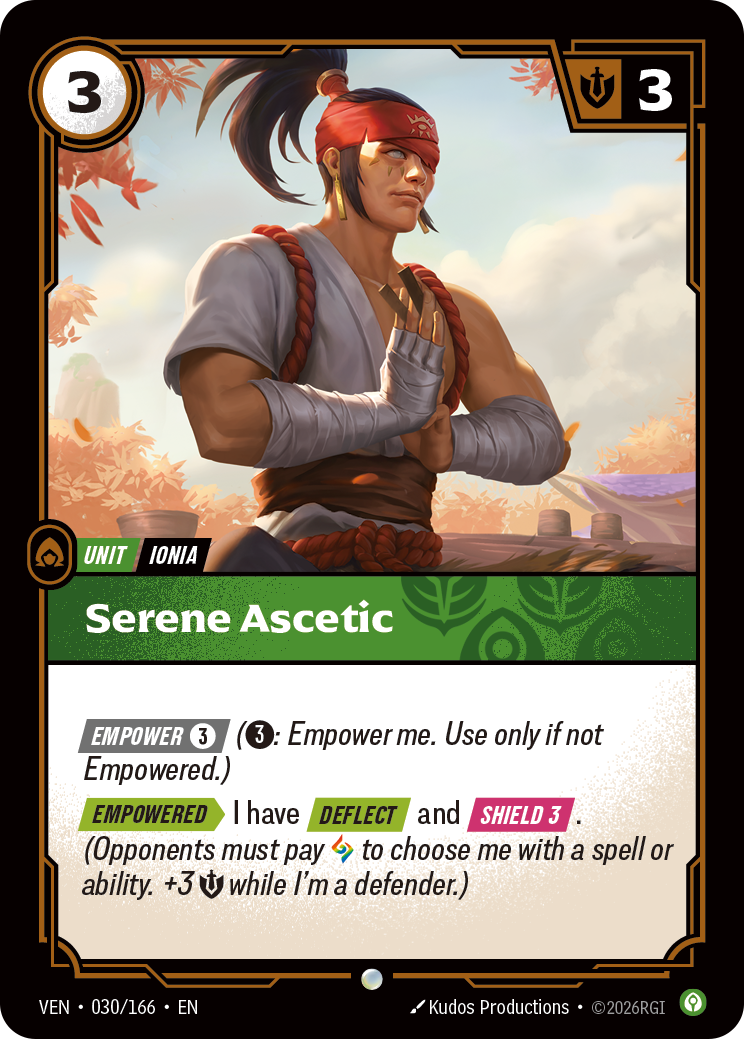
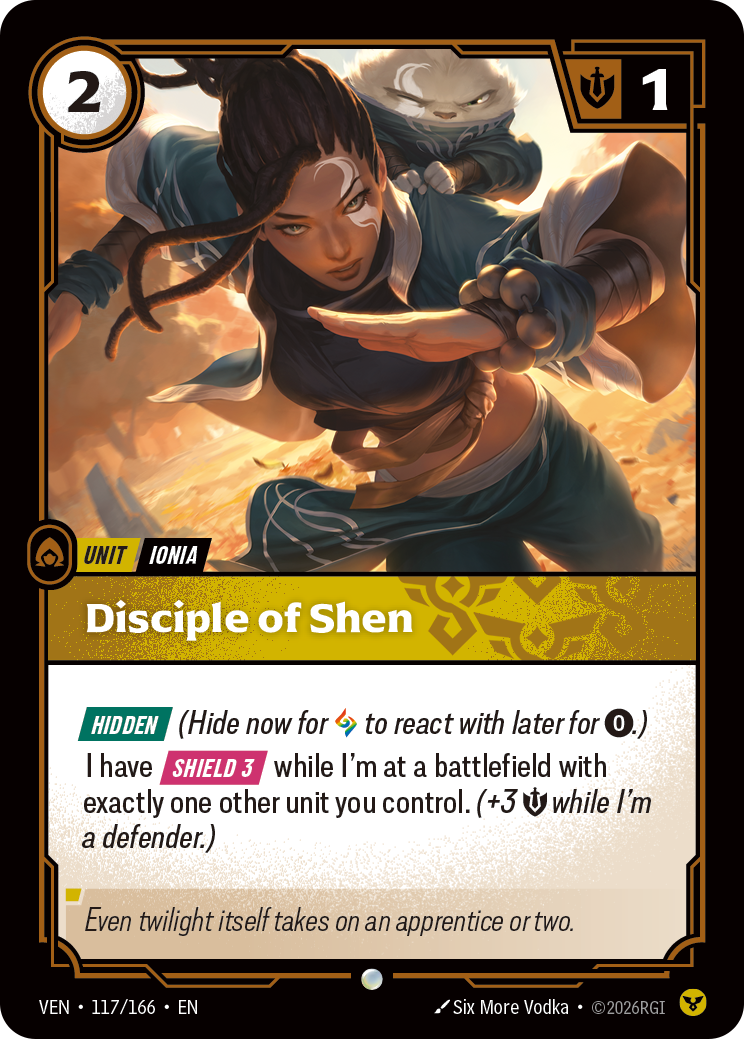
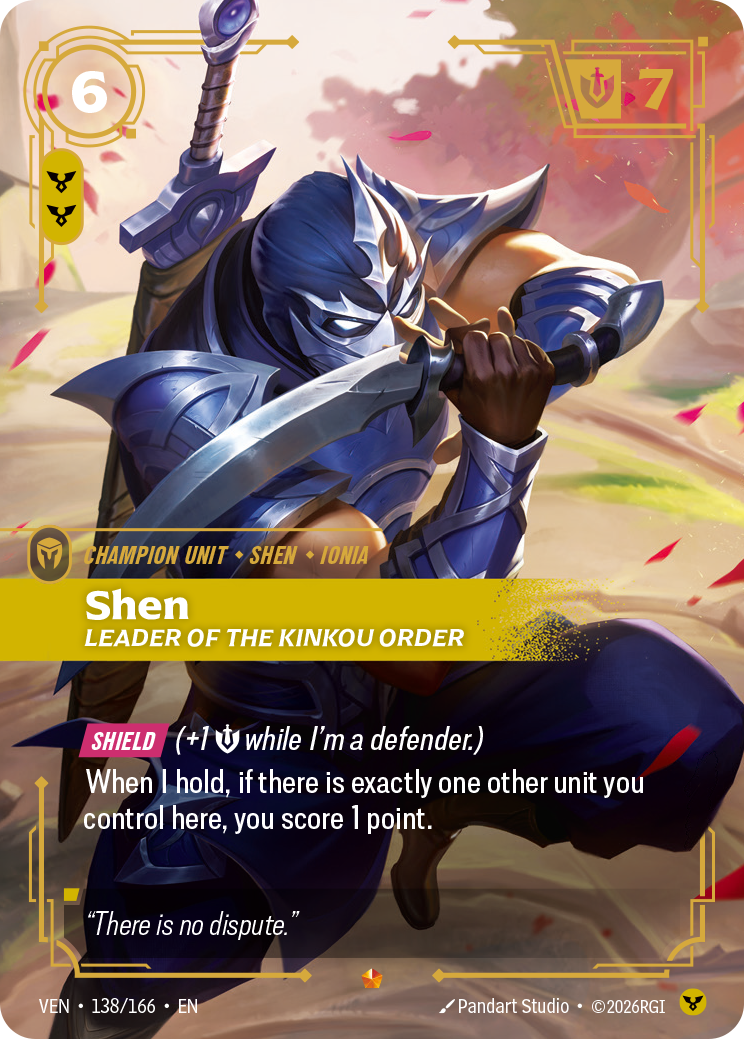
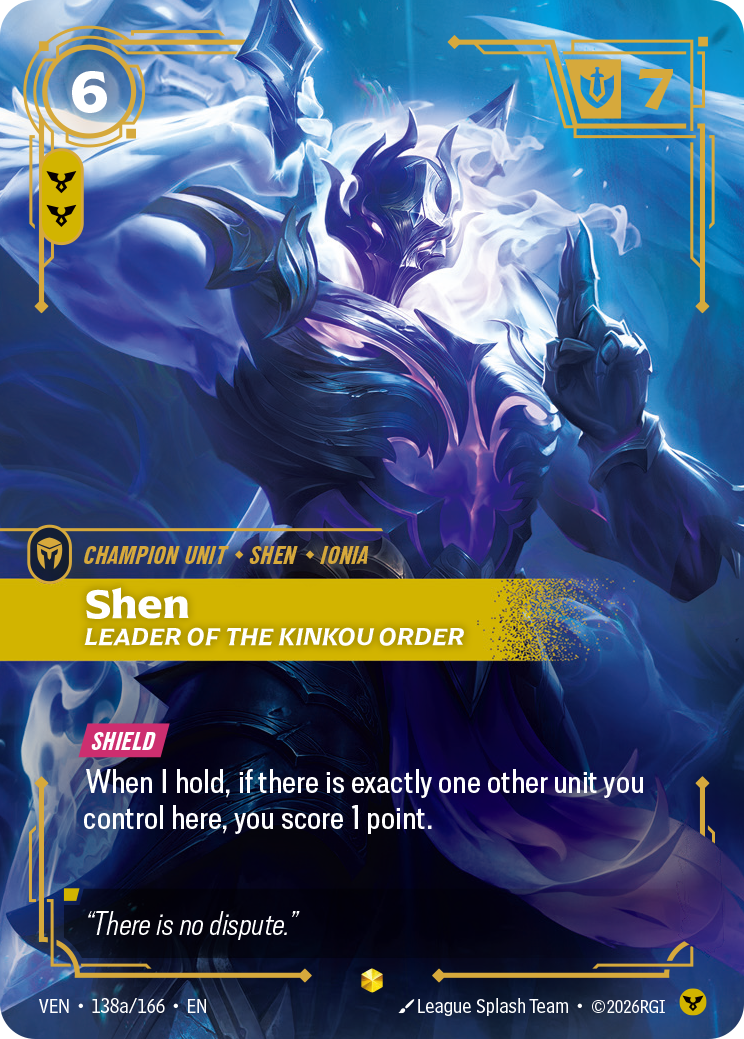
Shield [X] gives a unit +X Might, but only while it's defending in combat. The bonus disappears the instant combat ends or the unit stops being the defender — it does nothing on offense, and nothing outside a fight. Multiple sources of Shield on one unit simply add together. Full reference: Shield keyword page.
Cards printed with Shield
Real, officially catalogued cards whose rules text carries the Shield keyword.
Deflect: a tax on being targeted
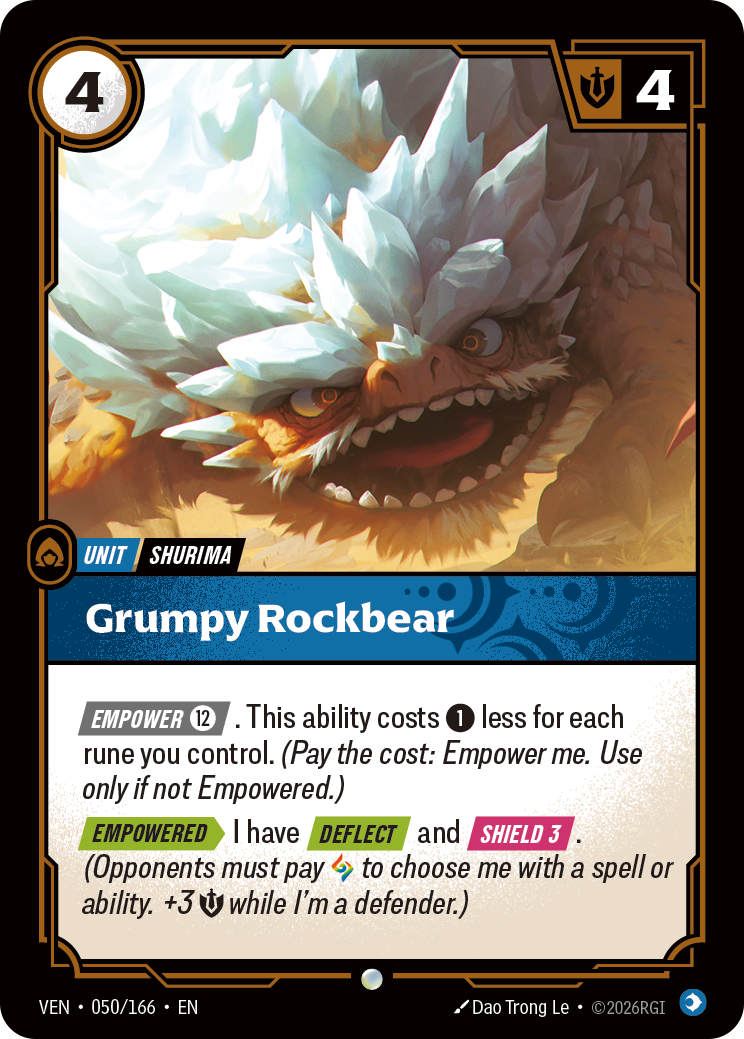
Deflect [X] makes an opponent pay X extra Power, of any domain, every time their spell or ability targets the card with Deflect. It doesn't stop them from targeting it — it just makes doing so more expensive, which is often enough to make a removal spell not worth casting at all.
Assault: tougher on offense only
Assault [X] is Shield's mirror image — +X Might, but only while the unit is attacking. Where Shield rewards sitting back and letting the opponent walk into your wall, Assault rewards initiating combat yourself. A unit can't benefit from both Shield and Assault in the same combat, since it's never attacking and defending at once.
Backline: forces damage away from itself
Backline is Tank's opposite — a unit with it must be assigned lethal damage LAST, after every other unit you control without Backline already has. It's the keyword for protecting something you don't want to lose in a small skirmish: a value engine, a card-draw source, anything you'd rather keep alive through the fight than sacrifice early.
Ganking: battlefield-to-battlefield movement
Ganking lets a unit's standard move go directly from one battlefield to another, instead of being limited to your base or an adjacent location. It's purely additive — it never removes a move a unit already had, it just opens up a shortcut. That makes it valuable the moment your units are spread across more than one battlefield: reinforcing a fight, or bailing out of a losing one, without routing back through base first.
Building a defensive shell (or an aggressive one)
A defensive board wants Tank on your cheapest, most expendable unit (so it absorbs the first hit), Backline on whatever you actually care about keeping, and Shield scattered across units you expect to be defending regularly. An aggressive board wants Assault on your biggest attackers and Ganking on anything you need to reposition into a fresh fight. Deflect works for either plan — it's valuable on any unit that's already doing its job and you don't want removed.
None of these six replace deckbuilding fundamentals — a great Tank unit still needs a reasonable body underneath the keyword. But knowing exactly what each one does (and doesn't do) is the difference between reading a card correctly and guessing.
Every combat-keyword card is live with real prices — browse Tank, Shield, Deflect, Assault, Backline and Ganking on their own reference pages, or see the full Riftbound keywords glossary for every mechanic in the game.
The other keyword families are covered the same way: timing keywords, growth keywords and game actions.
Frequently asked questions
What's the difference between Tank and Backline?
Tank must be assigned lethal combat damage first among your units; Backline must be assigned it last. They're direct opposites, and combining both on different units gives you a controlled front line and back line.
What's the difference between Shield and Assault?
Shield gives bonus Might only while a unit is defending; Assault gives the same kind of bonus only while it's attacking. A unit only ever benefits from one of the two in a given combat.
Does Deflect stop targeting outright?
No — Deflect is a tax, not a block. It adds a mandatory extra Power cost every time an opponent's spell or ability targets the Deflect card; they can still pay it and target anyway.
Does Ganking give a unit an extra move?
No — it widens the destinations a unit's existing standard move can reach (battlefield to battlefield, not just through base), it doesn't grant an additional movement action.
Can a unit have more than one of these keywords?
Yes — nothing stops a card from combining, say, Tank and Shield, making it both the unit that has to be hit first AND tougher while defending.
Are these keywords new to Vendetta?
No — Tank, Shield, Deflect, Assault, Backline and Ganking are core Riftbound combat rules, not mechanics introduced by a specific set, unlike Empower, Flow and Burn.
Ready to buy?
Compare live prices for every Riftbound single across every store we track.